Fire Prevention: Preventing Fire Hazards & Injuries
Fire Prevention | Fire and Life Safety | Emergency Preparedness
Our resources are designed to complement our consulting and training services, providing a holistic approach to safety management.
Table of Contents
Protecting Lives and Property Through Fire Safety Planning
Fires spread quickly, causing injuries, property damage, and loss of life. Fire prevention strategies reduce risks, improve emergency response, and ensure compliance with safety regulations. Businesses, property owners, and workers must follow fire safety protocols to keep workplaces and public areas safe.

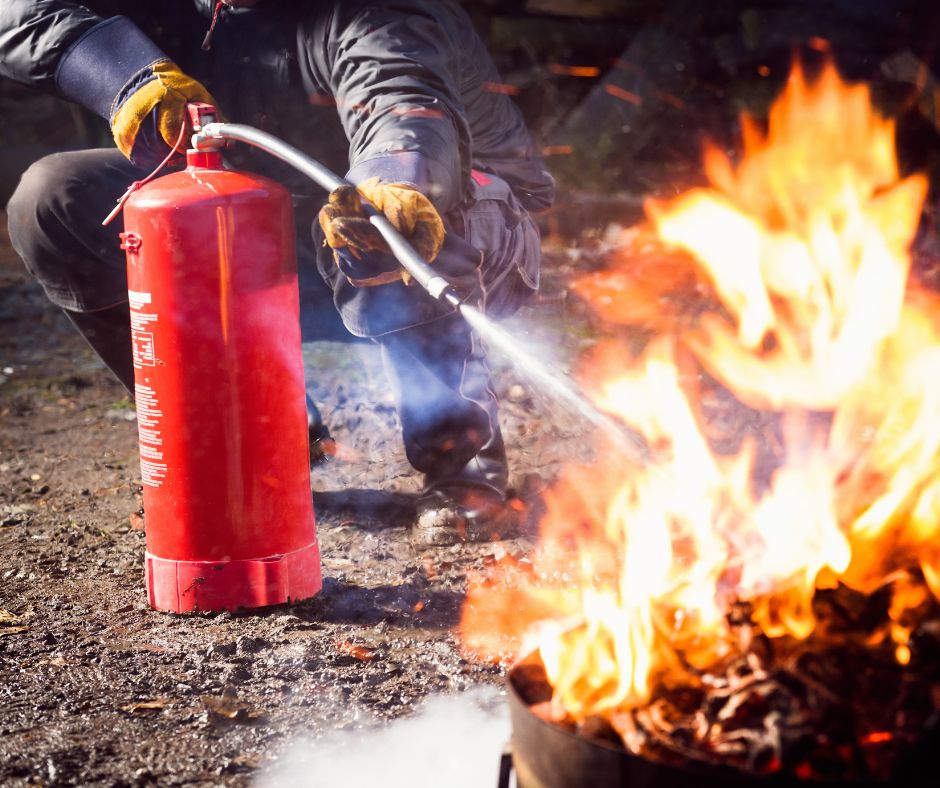
Fire and Life Safety: Reducing Risks in Workplaces
Preventing fires requires awareness, training, and emergency preparedness. Faulty wiring, flammable materials, and blocked exits increase fire hazards. Regular inspections, proper equipment, and safety training reduce risks and protect lives.
Key Fire Safety Practices
✅ Install & Maintain Fire Alarms – Ensure smoke detectors and fire alarms work properly.
✅ Clear Exit Routes – Keep hallways and emergency exits free of obstructions.
✅ Use Fire-Resistant Materials – Choose fire-rated doors, walls, and insulation to slow fire spread.
✅ Proper Storage of Flammable Materials – Keep fuel, chemicals, and combustible items in designated areas.
✅ Have Fire Extinguishers Ready – Place fire extinguishers in accessible locations and train employees on use.

Fire Prevention: Stopping Fires Before They Start
Most fires result from electrical failures, human error, or improper material handling. Fire prevention programs identify hazards and enforce workplace safety measures.
Fire Prevention Best Practices
✅ Regular Equipment Inspections – Check electrical systems, heating units, and fire suppression devices.
✅ Safe Electrical Use – Avoid overloaded circuits, damaged wiring, and improper extension cord use.
✅ Control Heat Sources – Keep machinery, appliances, and heating units away from flammable materials.
✅ Proper Waste Disposal – Remove oily rags, paper waste, and other combustible items regularly.
✅ Workplace Fire Drills – Train employees on fire response procedures and evacuation routes.

Emergency Preparedness: The Importance of Having a Plan
A fire emergency plan saves lives. Employees, residents, and building occupants must know evacuation procedures, fire extinguisher locations, and emergency contacts.
Essential Fire Emergency Planning Steps
✅ Develop a Fire Escape Plan – Create clear exit strategies for every section of a building.
✅ Train Workers & Residents – Conduct regular fire drills and emergency response training.
✅ Install Emergency Lighting – Ensure exit signs and pathways remain visible in low-visibility conditions.
✅ Know Fire Extinguisher Types – Use the correct extinguisher for electrical, grease, and chemical fires.
✅ Coordinate with Local Fire Departments – Establish emergency response plans with first responders.
Stay Fire Safe with Expert Safety Services
We provide fire prevention training, workplace safety inspections, and emergency preparedness programs to help businesses stay compliant and protect lives.