Rope Access Safety Training
IWCA Rope Descent Systems (RDS) Training
Learn to rig, descend, and self-rescue with confidence — hands-on rope access training built on the standards Michael Draper, owner of Expert Safety Services, has set across ESS’s training programs.
RDS Training Overview
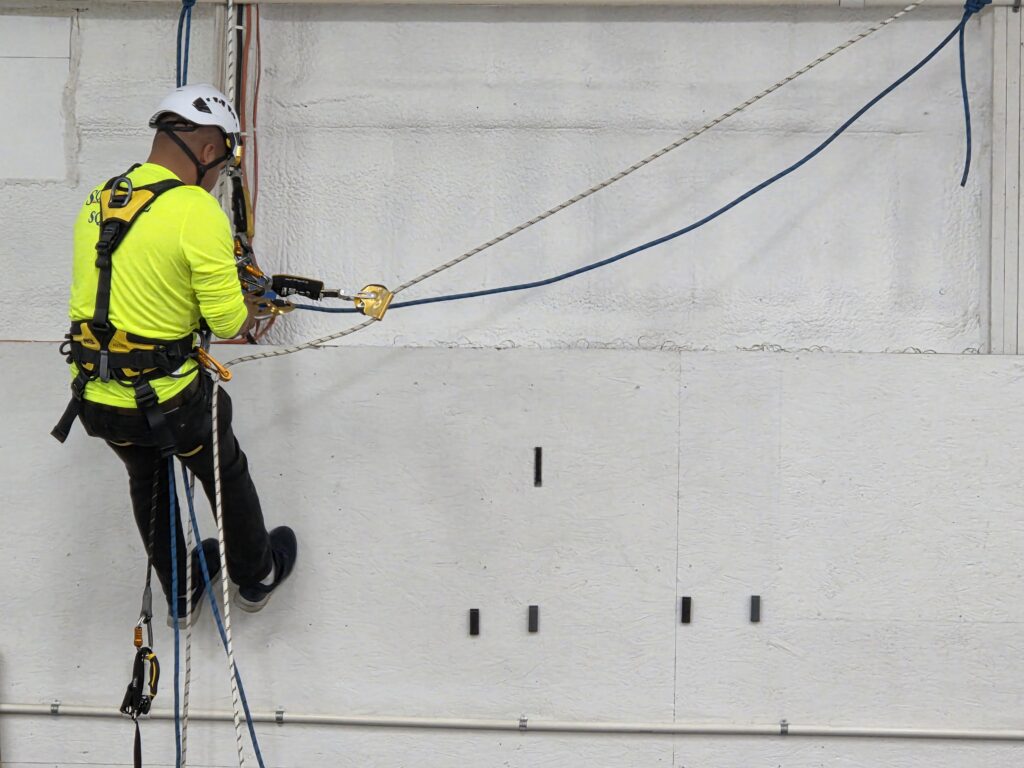
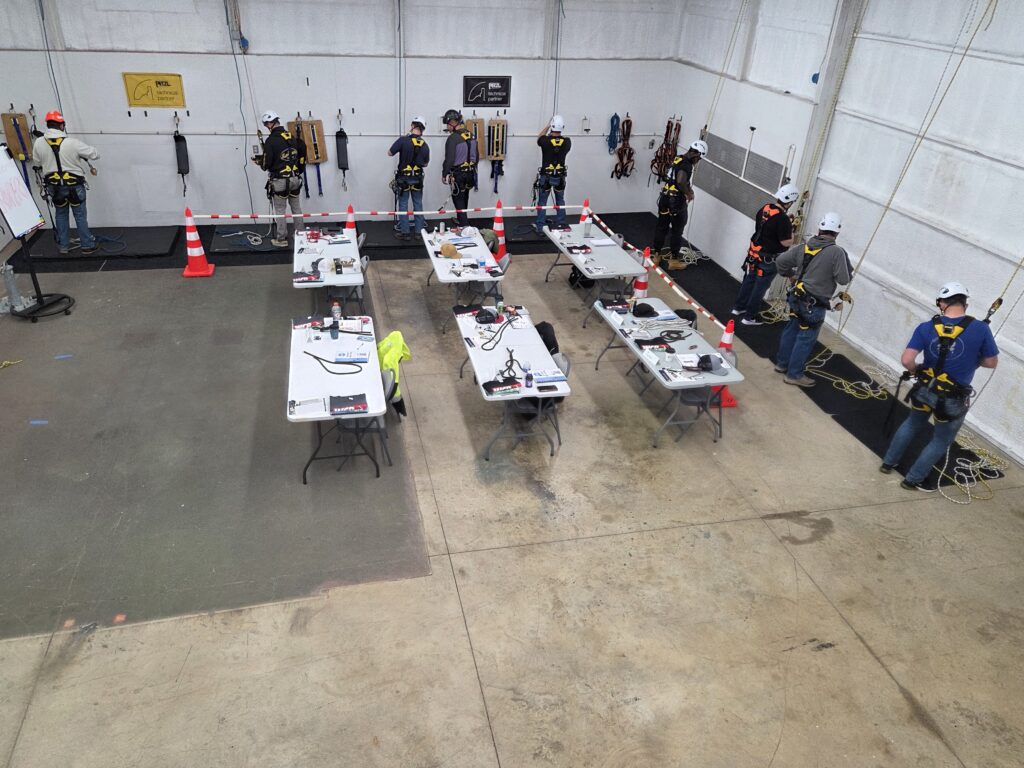
Rope Descent Systems are the backbone of safe, efficient work at height for window cleaning and building maintenance crews. At the ESS Training Center, IWCA Rope Descent Systems Training puts technicians through real rigging, real descents, and real rescue scenarios — not a slideshow.
Every course at ESS is built under the direction of Michael Draper, owner of Expert Safety Services, who oversees education and training across the organization — giving technicians the muscle memory and confidence to rig, ascend, descend, and self-rescue in full compliance with IWCA and OSHA standards.
Key Elements of IWCA RDS Training
- Rigging & Anchor Setup – Build safe, compliant descent systems from the anchor down.
- Controlled Ascent & Descent – Move up and down the line with precision and control.
- Self-Rescue Procedures – Respond to an emergency on the rope, not just read about one.
- Equipment Inspection – Catch wear and damage before it becomes a fall.
- IWCA & OSHA Compliance – Train to the standards that keep crews — and companies — protected.
Who This Class Is For
- Window cleaning technicians working at height
- Building maintenance and facade crews
- Companies needing IWCA-recognized RDS certification for compliance
- Technicians renewing or upgrading existing rope access credentials
Class Details
- Format: Hands-on training — equipment and lunch provided
- Price: $399 per person
Stay OSHA compliant, reduce risks, and enhance workplace safety.
Rope Descent Systems Trained the Way OSHA Expects Them to Be
Window cleaning and building maintenance from height only works when the descent system behind it is built right. At Expert Safety Services, register today for hands-on IWCA RDS training that goes well beyond a slideshow.
More Than Compliance—We Build Safer Workplaces
Rope Descent Systems and OSHA 1910.27 Compliance
OSHA’s walking-working surfaces standard sets requirements for rope descent systems — anchorage strength, building information, operations planning. This is one piece of the broader rope access training we offer at ESS.
Anchorages Built to Standard
Learn to rig and verify anchor points that meet strength requirements — a skill our Anchor Testing & Inspection course covers in more depth.
Self-Rescue as a Trained Skill, Not a Hope
Respond to a real emergency on the rope with trained muscle memory.
An Operations Plan That Holds Up
Understand what a compliant RDS program actually requires.
Confidence That Extends to Every Job
A properly RDS-trained crew reduces risk to technicians and liability to employers.
Why Train with the ESS Training Center?
Focused on Technical Compliance
We specialize in safety and technical training that covers Job Hazard Analysis, Work Plan Development, OSHA citation prevention, and more. These aren’t generic lectures — they’re deep dives into what actually keeps your site compliant and protected.
Industry-Leading Instructors
Our trainers are more than educators — they’re active professionals with boots-on-the-ground experience in hazard assessment, technical compliance, and workplace risk management. You’ll learn from those who’ve been there, done that, and know how to keep your crew safe.
Built for High-Risk Industries
Whether you're cleaning glass 50 feet in the air or managing chemical risks on site, we offer industry-specific safety training for Window Cleaning, Solar Cleaning, Pressure Washing, and more. If your work requires precision and compliance, we’ve got the course for you.
FREQUENTLY ASKED QUESTIONS
IWCA RDS Training FAQ
What is IWCA Rope Descent Systems certification?
Training and certification in safe rigging, descent, and self-rescue for rope-based access work.
How does OSHA 1910.27 apply to rope descent work?
It sets requirements for anchorage strength, equipment inspection, and operations planning.
Do I need a building's RDS operations plan before I can work?
Yes — employers must have building-specific information and a documented plan on file.
How is RDS training different from full rope access (SPRAT) training?
RDS focuses on descent-based access. SPRAT is broader, covering ascent, traverses, and more rescue scenarios.
How often should technicians recertify in RDS?
Annual or biennial refreshers are common practice. Contact us to schedule a group.
Stay OSHA-Compliant with Expert Safety Services
We provide ANSI 459 rope access training, IWCA certification guidance, and PWNA safety programs. Proper training keeps workers safe and businesses compliant.